
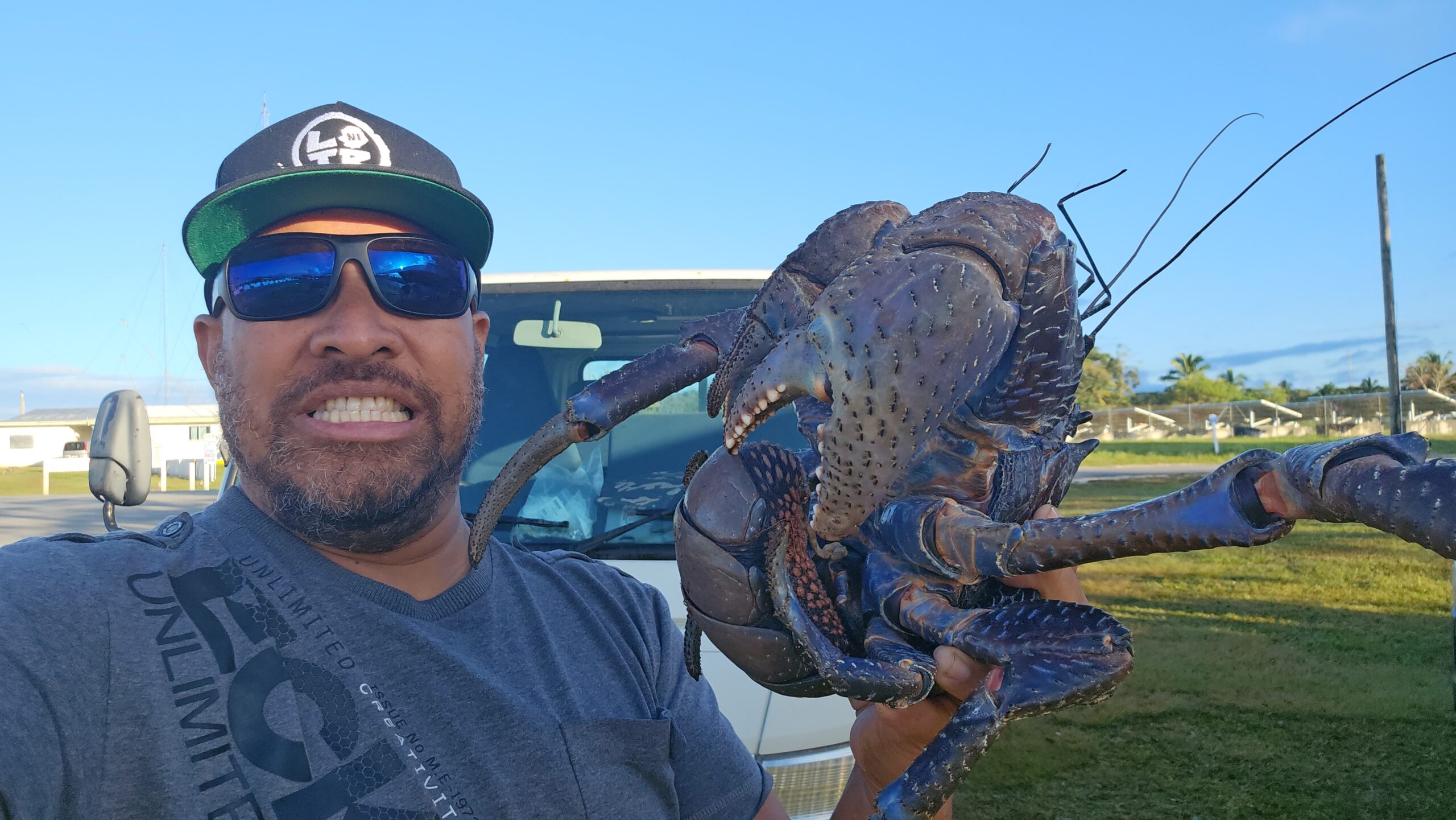
A Voice from the Rock – Jay Hekau und das Alltagsleben auf Niue
Der Pazifik besteht aus tausenden Inseln – doch viele von ihnen bleiben in europäischen Medien weitgehend unsichtbar. Eine davon ist Niue, eine abgelegene Insel im Südpazifik mit rund 2.000 Einwohnern. Der kleine Staat ist selbstverwaltet und steht in freier Assoziation mit Neuseeland.
Umso wertvoller sind Stimmen aus dem Land selbst. Der Niueaner Jay Hekau betreibt den YouTube-Kanal Life on the Rock – Niue Island und dokumentiert dort seit einigen Jahren das Alltagsleben auf der Insel. Mit rund 18.000 Abonnenten erreicht sein Kanal inzwischen ein internationales Publikum.
Seine Videos zeigen keine touristischen Hochglanzbilder und keine Influencer-Inszenierungen. Stattdessen dokumentiert Hekau das alltägliche Leben auf „the Rock“, wie Niue wegen seines markanten Korallenplateaus oft genannt wird: Familie, Arbeit, Subsistenzwirtschaft, Gemeinschaft und die kleinen, oft übersehenen Momente des Insellebens.
Für Mar Pacífico – Ein Meer von Inseln habe ich mit ihm über seine Motivation, das Leben auf Niue und die Bedeutung digitaler Medien für kleine Inselgesellschaften gesprochen. Der Ansatz dieses Blogs ist dabei bewusst einfach: Wir schreiben nicht nur über den Pazifik – sondern auch mit Stimmen aus der Region.
Das folgende Gespräch erscheint im englischen Original.
A Voice from the Rock: Meeting Jay Hekau of Niue
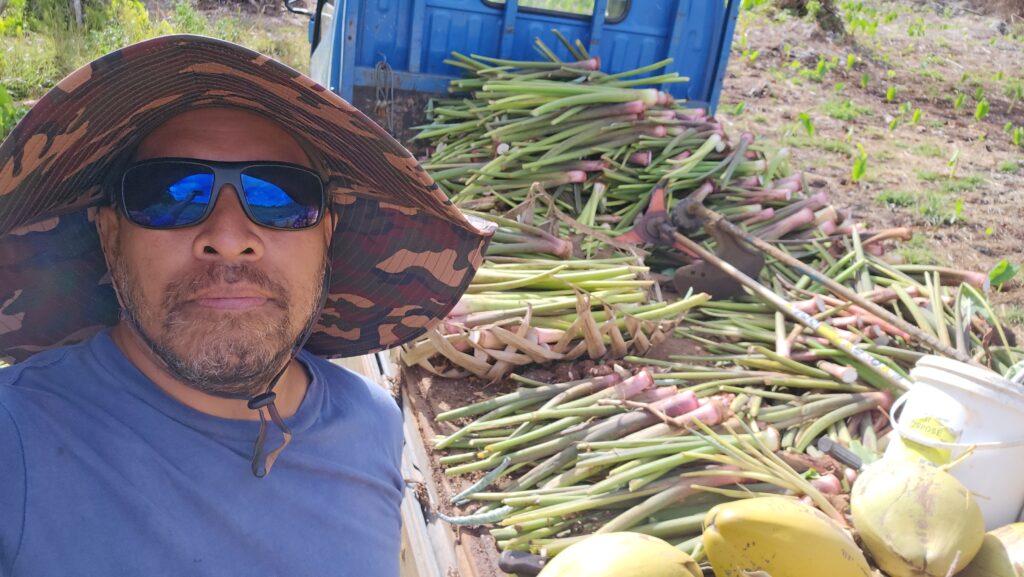
I first heard Jay Hekau on the ABC Pacific program Nesia Daily, where he spoke about preserving his family memories and everyday life on Niue. This was my first exposure to him via Australia’s ABC Pacific, and I immediately thought: this sounds fascinating. Here was someone capturing the daily rhythms, traditions, and culture of one of the world’s smallest islands – not for tourism or spectacle, but for family, community, and posterity.
Soon after, Niue gained recognition from Germany, which likely marked the first time many people in Germany had ever heard about this tiny Pacific island. That made Jay’s work even more relevant for a German-speaking audience: through his YouTube channel Life on the Rock – Niue Island, viewers can now experience a place that is otherwise little known outside Oceania.
The name “The Rock” refers to Niue’s nickname, which comes from the island’s rugged limestone terrain. It also reflects Niue’s reputation as a small but resilient Pacific home.
Jay lives on Niue, a self-governing country in free association with New Zealand and home to roughly 2,000 people. His channel does not present postcard tourism, nor polished influencer content. Instead, it documents everyday life – family, work, culture, food, sky, and silence. What began as a personal archive has quietly evolved into something larger: a digital window into life on a remote Pacific island that rarely appears in global media.
In the following text, Jay shares – in his own words – why he started documenting life on “the Rock,” what motivates him today, and what he wishes people in Europe might understand about Niue.
(You can explore his channel here: Life on the Rock – Niue Island)
Life on the Rock: Why I Started Documenting Niue
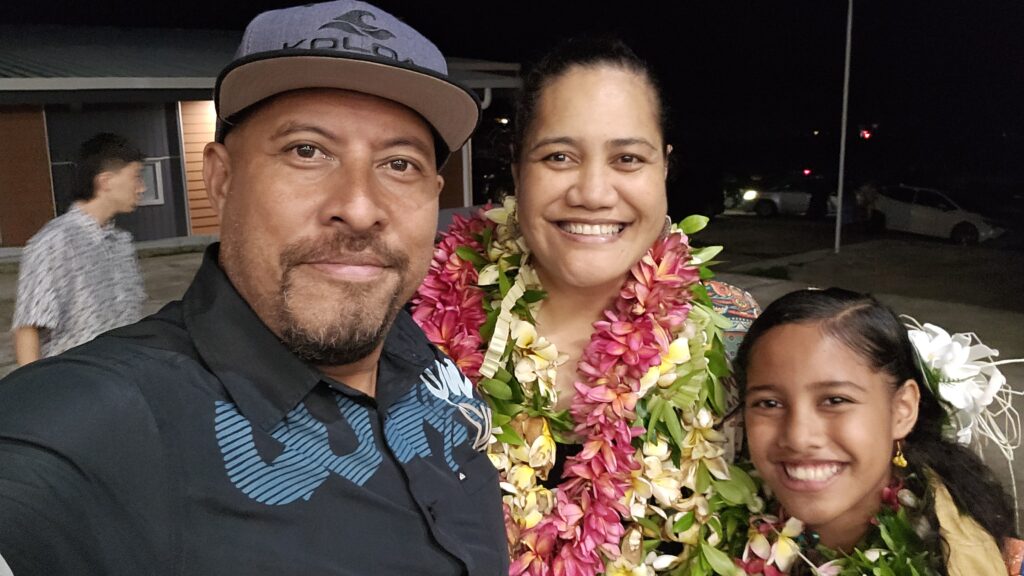
When people ask me why I started my YouTube channel Life on the Rock – Niue Island, the answer begins with family.
In 2019, I lost my dad and my younger sister. Over the years before that, other grandparents and family members had passed on as well. Sometimes I would sit and think about them and wish I had more videos – not just photos, but moving images. I wished I could watch them again: how they spoke, how they laughed, the way we interacted, the small everyday moments that you never think to record because you assume they will always be there.
That is really the “why.”
I wanted to capture moments – not just for now, but for my children and hopefully for their children one day. I told my kids that they now have evidence of their childhood: the hard work, the fun, the simple island life they grew up in. One day, long after we are gone, they will be able to look back and see what life was like on Niue, and who we were.
Yes, we can store videos on hard drives and memory cards, but from experience those things get damaged or lost. YouTube, for all its imperfections, offers something different – a digital archive that is accessible worldwide, 24/7, and hopefully for generations to come.
That was the first reason.
Over time, another motivation developed: opportunity. We often hear about people making large sums of money online, but we hear less about those who manage to build sustainable income streams from digital platforms. Since May 2022, our channel has been monetized. For Niue, a place of around 2,000 people, even a small channel generating income represents capital coming in from outside. It contributes, in its own small way, to our local economy.
We are still a tiny, tiny channel – but I am curious to see how far we can go.
Daily Life on Niue
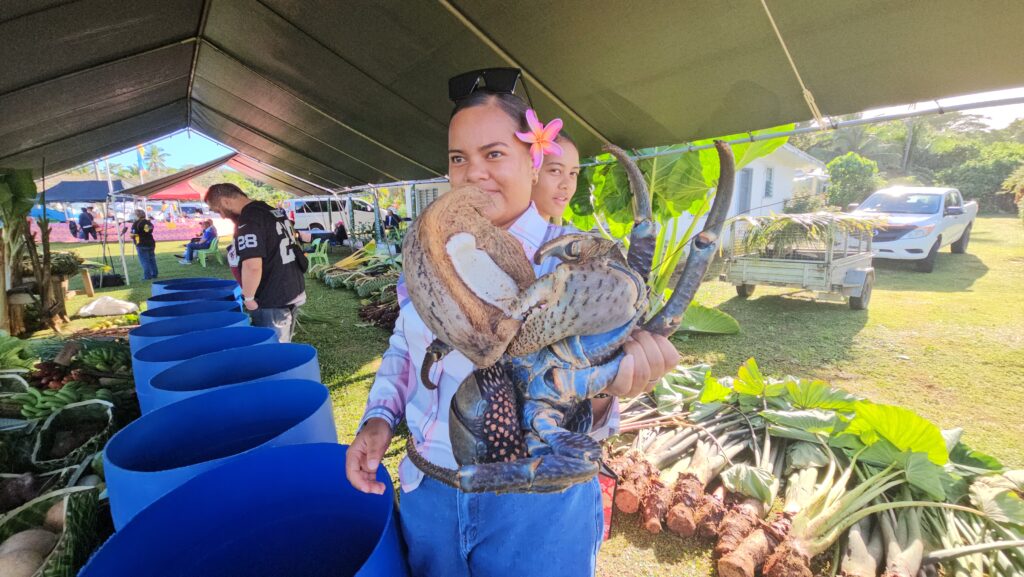
Life on Niue is not exotic to us. It is simply life.
Children go to school. Adults go to work. The Niue Government is the main employer, alongside a small number of private businesses. There is one primary school and one high school. For tertiary education, most young people travel to New Zealand, Australia, or elsewhere.
Sundays – or Saturdays for some denominations – are important for many families. Church remains central to community life. We have several denominations, including the Church of Jesus Christ of Latter-day Saints, Seventh-day Adventists, Catholic, Apostolic, and the Ekalesia Niue, which traces its roots back to the London Missionary Society.
Beyond church, daily life is still deeply connected to land and sea. Many families grow their own taro, our staple food, as well as other root crops and vegetables. Fishing and reef gleaning remain common. Pigs are raised for family consumption and community events.
We do not walk much anymore – cars have replaced that – but the connection to the land remains strong.
Because our population is small, people wear many hats. One person might serve in government, help organize church events, assist extended family, and participate in community functions all at once. That is simply how island life works.
Language and Cultural Preservation
The Niuean language is at real risk. That is one of our biggest cultural concerns. More needs to be done to promote and preserve it.
Language is identity. Without it, something essential is lost.
We also try to maintain other aspects of culture, even as modern conveniences make traditional practices less necessary. Some families still build and maintain canoes. Others continue traditional methods of farming and land stewardship. These practices are not just about survival – they are about continuity.
Tourism and the “Dark Sky Nation”
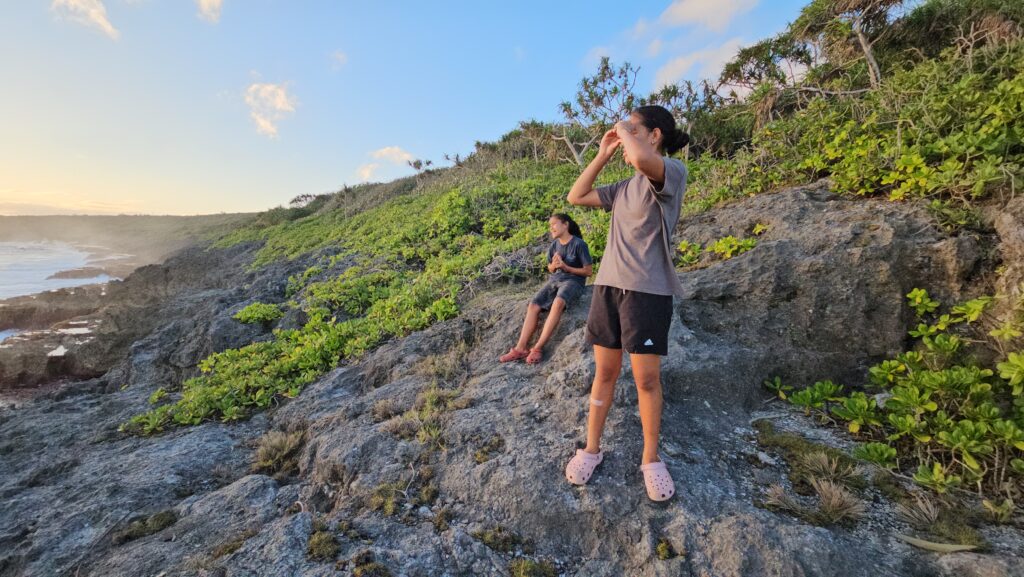
Niue remains largely untouched. Flights operate only twice a week from New Zealand, carrying roughly 180–250 passengers per flight. Accommodation is limited. Many locals prefer it this way. We do not want over-commercialization.
In 2020, Niue was recognized as the world’s first “Dark Sky Nation” by the International Dark-Sky Association. Our remote location, low population, and limited development make our night skies extraordinary. On moonless nights, the stars feel endless. Locals sometimes take that for granted. Visitors do not.
Tourism helps our economy, but carefully. Niue is not built for mass tourism – and many of us would like to keep it that way.
Climate, Sustainability and Scale
Niue participates in global climate initiatives and has introduced waste management programs. At times, I personally wonder how much difference such measures make in the global picture, given our tiny size. Still, solar farms are being developed to reduce reliance on imported fossil fuels, which are expensive to transport here (see Niue’s energy transition with solar power).
Our scale is small – but our responsibility to our land is real.
What Europe Should Know About Niue
Niue is unique. We are self-governing in free association with New Zealand, and all Niueans are New Zealand citizens.
It is a very safe place, with a strong sense of community. It is a good place to raise children. It is quiet, connected to nature, and unhurried.
If you are looking for a fast-paced tourist scene with endless restaurants and nightlife, you should probably look elsewhere. But if you value connection – to land, family, and sky – Niue offers something rare.
Many viewers from outside Oceania tell me they would love to visit one day. I understand that. There is still so much I have not yet filmed – so much beauty left to show.
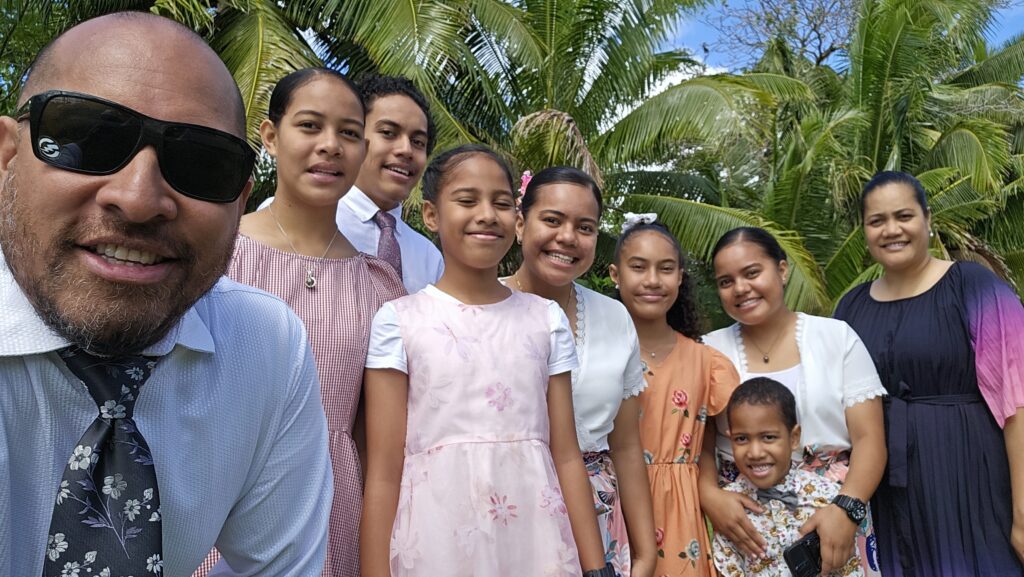
Follow Jay Hekau – Life on the Rock
You can explore Jay’s content and follow him on:
YouTube: Life on the Rock – Niue Island
Facebook: LOTR-NI
TikTok: @lifeontherock_niueisland
Instagram: @lifeontherock_niueisland